
Tin ore is an important mineral resource with a long history and a growing role in modern industry. It has been used for thousands of years, from ancient bronze tools to modern electronic components.
Today, tin is widely used in semiconductors, artificial intelligence (AI), renewable energy and advanced manufacturing. This makes it an important raw material for the global technology industry.
But where does tin come from? What are its main mineral types? And how is tin ore processed into valuable tin concentrate?
This guide explains tin ore properties, deposit types, global distribution, mining methods and beneficiation processes.
1. What Is Tin Ore?
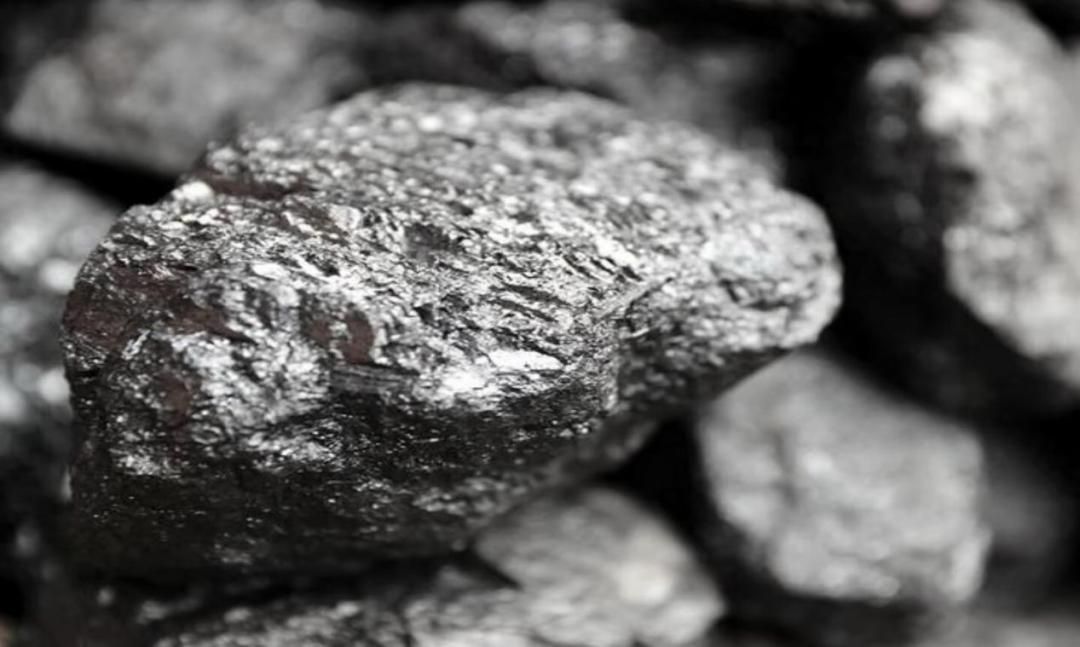
Tin ore refers to naturally occurring minerals that contain tin and have economic value for mining and processing. Tin is represented by the chemical symbol Sn, which comes from the Latin word Stannum.
More than 50 tin-bearing minerals have been identified. However, only a few are suitable for industrial use.
Cassiterite (SnO₂) is the most important tin mineral. It accounts for more than 70% of global tin production, according to the source material. Its theoretical tin content reaches 78.8%, making it a major source of commercial tin.
Cassiterite may also occur with other valuable elements, including:
● Tungsten
● Iron
● Manganese
● Niobium
● Tantalum
These associated minerals can increase the overall value of an ore deposit and create opportunities for comprehensive mineral recovery.
Main Types of Tin Ore
Based on their geological origin and occurrence, tin deposits are commonly divided into two main types: primary tin ore and secondary alluvial tin ore.
1. Primary Tin Ore (Vein-Type Tin Deposits)
Primary tin ore forms mainly through magmatic and hydrothermal activity. It is commonly found in granite-related veins, fractures and fault zones.
Its main features include:
● Ore bodies occur in veins, disseminated zones or massive forms.
● Cassiterite is often embedded in hard host rocks.
● Deposits may extend to considerable depths.
● The ore may contain tungsten and other valuable metals.
Primary tin deposits often require underground mining and more complex mineral processing.
2. Secondary Tin Ore (Alluvial or Placer Tin Deposits)
Alluvial tin deposits form when primary tin-bearing rocks are weathered and eroded over long periods.
Cassiterite is hard, dense and resistant to weathering. As the surrounding rocks break down, cassiterite grains are released and transported by water. They gradually settle and accumulate in river valleys, riverbeds and coastal areas.
Typical features include:
● Shallow ore bodies.
● Relatively high liberation of cassiterite grains.
● Concentration in river and coastal sediments.
● Potential for simpler mining and gravity separation.
The difference between these two deposit types determines the mining method and beneficiation process.
2. Physical and Chemical Properties of Cassiterite
Cassiterite has several properties that make it suitable for mineral processing.
Physical Properties
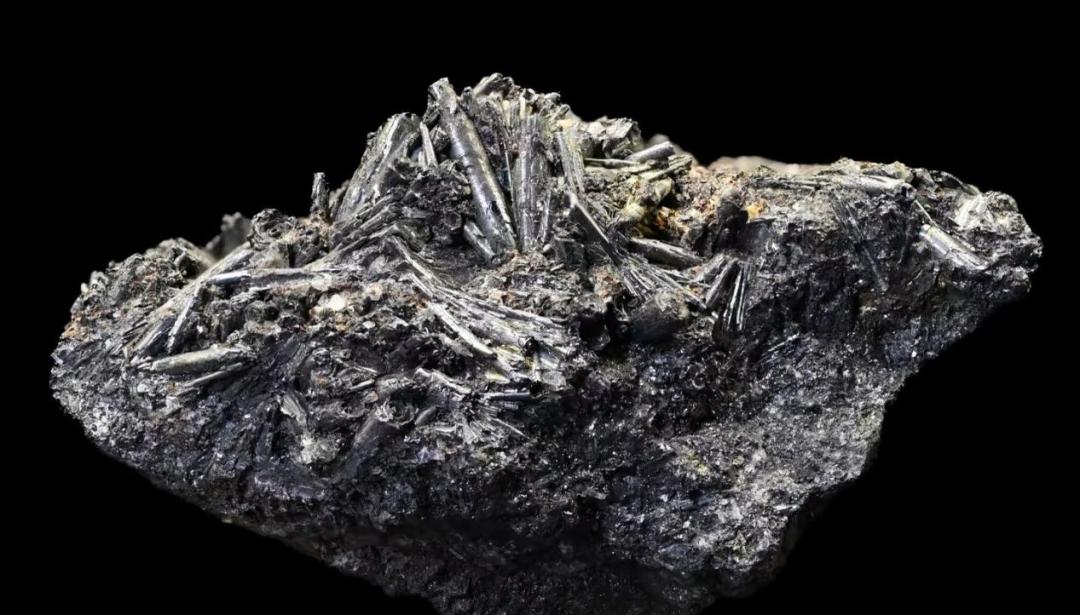
Cassiterite crystals commonly have a tetragonal shape. Their colors range from colorless and pale yellow to reddish-brown and dark brown.
Its main physical properties include:
|
Property |
Typical Value or Feature |
| Chemical Formula | SnO₂ |
| Theoretical Tin Content | 78.8% |
| Mohs Hardness | 6–7 |
| Specific Gravity | 6.8–7.1 |
| Crystal System | Tetragonal |
| Luster | Adamantine |
Two properties are especially important for tin ore beneficiation:
High Density
Cassiterite has a specific gravity of about 6.8–7.1. This is much higher than that of many common gangue minerals. The density difference makes gravity separation an important method for recovering cassiterite.
High Hardness and Weathering Resistance
With a Mohs hardness of 6–7, cassiterite can resist abrasion and natural weathering. This helps explain why it can remain in sediments and form alluvial tin deposits.
Chemical Properties
Cassiterite is chemically stable under normal environmental conditions. It is resistant to weathering and does not easily dissolve in water.
Tin also has useful properties in industrial applications:
● Good corrosion resistance.
● Good soldering performance.
● Low melting point compared with many industrial metals.
● Ability to form alloys with copper, lead, zinc and silver.
These properties support its use in traditional manufacturing and modern technology
3. How Are Tin Deposits Formed?
Tin deposits form through geological processes deep underground and at the Earth’s surface.
The two main processes are magmatic-hydrothermal mineralization and weathering-related sedimentation.
Formation of Primary Tin Deposits
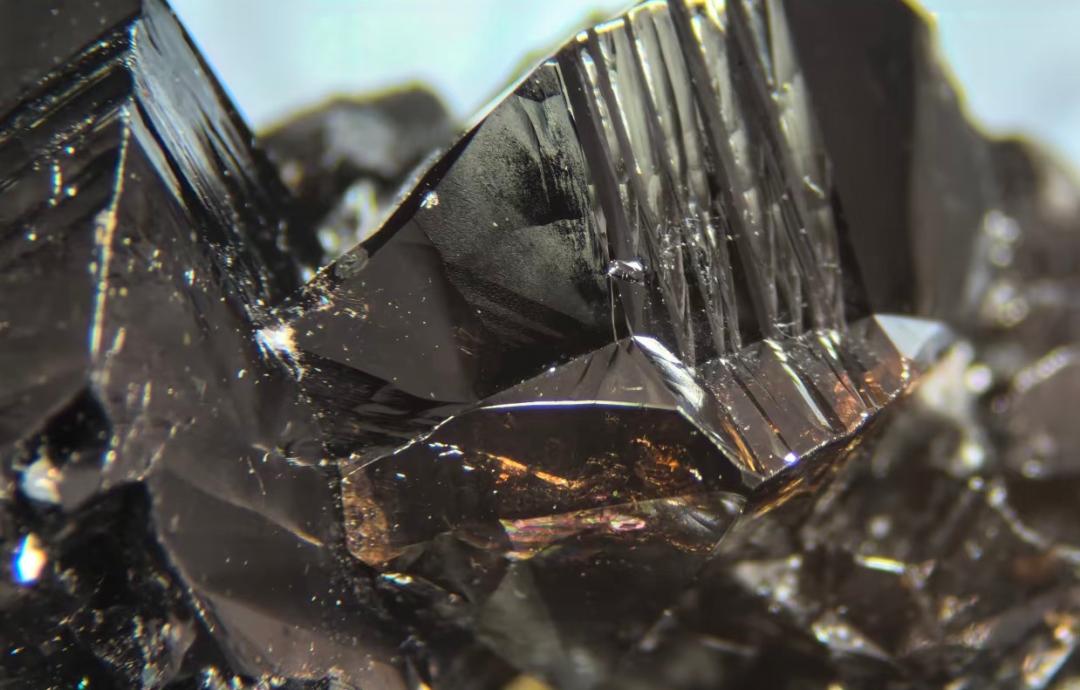
Primary tin deposits are mainly related to granite magmatism.
During the evolution of granitic magma, hot fluids containing tin and other elements may be released. These fluids move through fractures and faults in surrounding rocks.
As temperature and pressure change, tin-bearing minerals gradually precipitate and form cassiterite veins or disseminated ore bodies.
This process is often associated with greisenization and silicification.
Primary tin deposits may also contain tungsten, beryllium, lithium, niobium and tantalum. This makes some deposits valuable sources of multiple metals.
Formation of Secondary Alluvial Tin Deposits
Alluvial tin deposits develop through long-term weathering and erosion.
The formation process generally follows these steps:
1. Primary tin-bearing rocks are exposed at the Earth’s surface.
2. Weathering breaks down the surrounding rocks.
3. Hard cassiterite grains are released from the host rocks.
4. Water transports the grains downstream.
5. Dense cassiterite settles in suitable low-energy areas.
6. Repeated deposition forms alluvial tin deposits.
Key Point: Cassiterite’s high density and resistance to weathering are the main reasons why it can become concentrated in river and coastal sediments.
4. Global Distribution of Tin Ore Resources
Tin resources are unevenly distributed around the world. Major tin-producing and resource-rich regions include Southeast Asia, China and South America.
Major Tin Resource Regions
Some important countries associated with tin mining include:
● Indonesia
● Myanmar
● Malaysia
● Thailand
● Bolivia
● Brazil
● China
Southeast Asia has historically been an important region for alluvial tin resources. However, the gradual depletion of some shallow deposits has increased interest in deeper primary tin deposits.
Tin Resources in China
China has significant tin resources, with major deposits concentrated in the southern and southwestern regions.
Important tin-producing areas include:
◆ Yunnan: Gejiu is widely known as the “Tin Capital of China” and is an important tin mining center.
◆ Guangxi: The Dachang polymetallic deposit in Nandan is known for its tin and associated mineral resources.
◆ Hunan and Jiangxi: These provinces also contain important tin deposits.
Many Chinese tin deposits are polymetallic. Tin may occur together with tungsten and other valuable minerals.
This creates additional challenges for mineral processing. A suitable beneficiation flowsheet must consider ore composition, mineral associations and liberation characteristics.
5. Tin Ore Mining and Beneficiation Processes
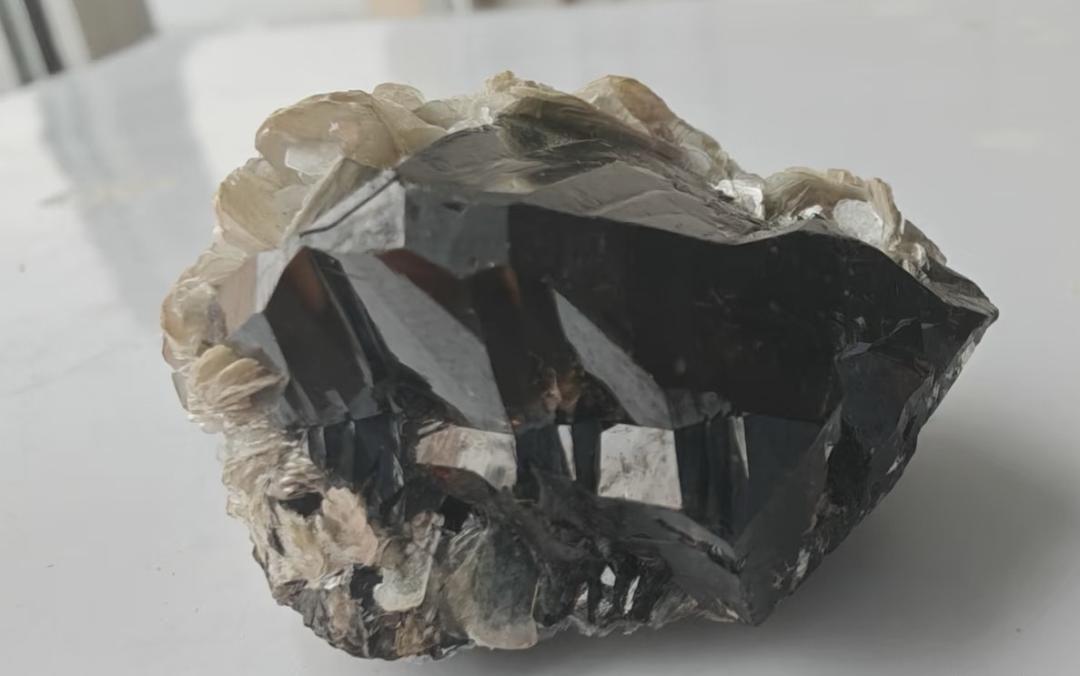
Tin ore processing converts mined ore into tin concentrate for further smelting and refining.
The processing route depends on the ore type, mineral composition, particle size and degree of liberation.
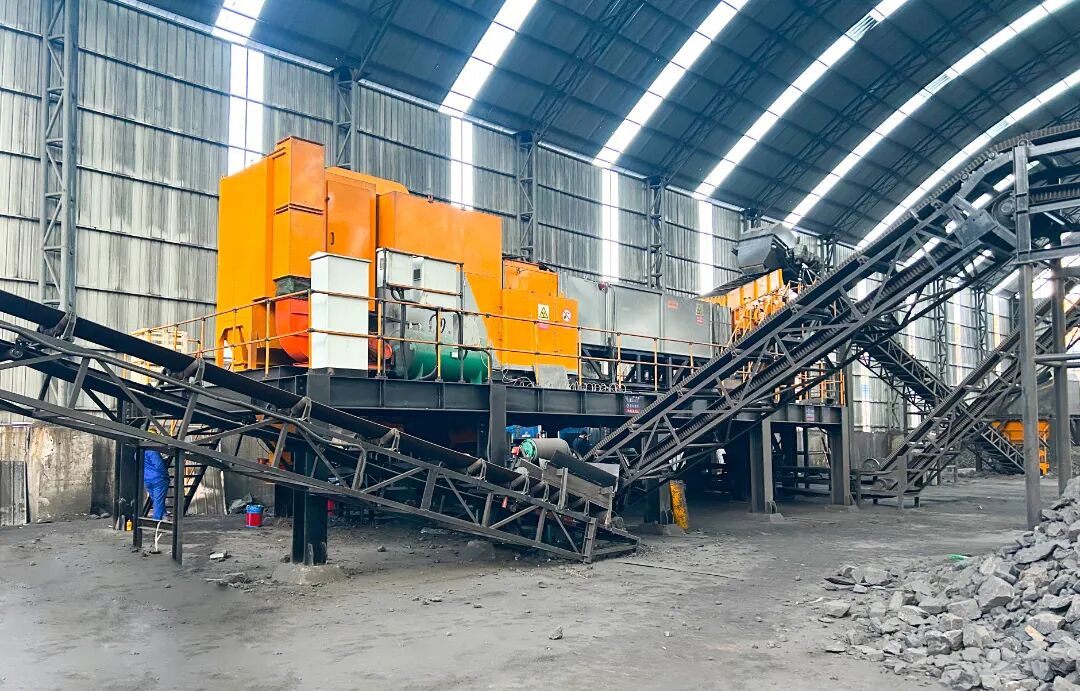
5.1 Alluvial Tin Ore Processing
Alluvial tin ore is often easier to process because cassiterite grains may already be liberated from the surrounding materials.
A typical processing route includes:
1. Screening: Removes oversized materials and separates the feed into suitable size ranges.
2. Washing: Removes clay, mud and other fine materials.
3. Gravity Separation: Uses density differences to recover heavy cassiterite particles.
4. Concentration: Further upgrades the tin-bearing products.
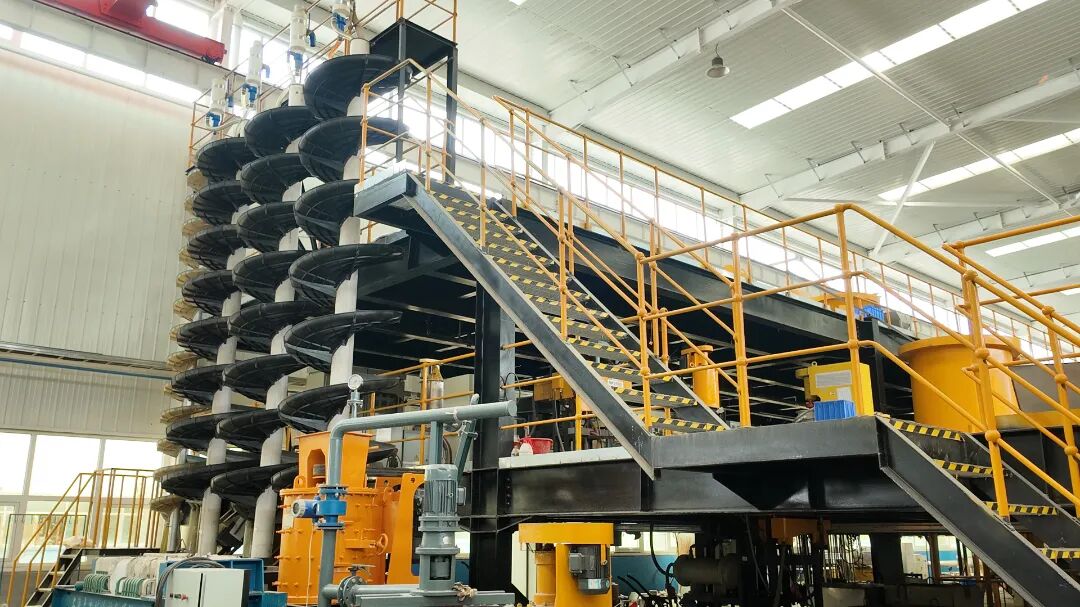
Common gravity separation equipment includes:
■ Jig machines
■ Shaking tables
■ Other gravity concentration equipment
Gravity separation is particularly important for alluvial tin because of the high specific gravity of cassiterite.
5.2 Primary Tin Ore Processing
Primary tin ore usually requires more complex processing because cassiterite is embedded in host rocks.
A typical flowsheet may include the following stages:
Step 1: Crushing and Grinding
Run-of-mine ore is crushed and ground to release cassiterite from the surrounding gangue minerals.
Step 2: Gravity Separation
Gravity separation is used to recover liberated cassiterite based on its high density.
Jigs and shaking tables can be used at different processing stages, depending on the particle size and ore characteristics.
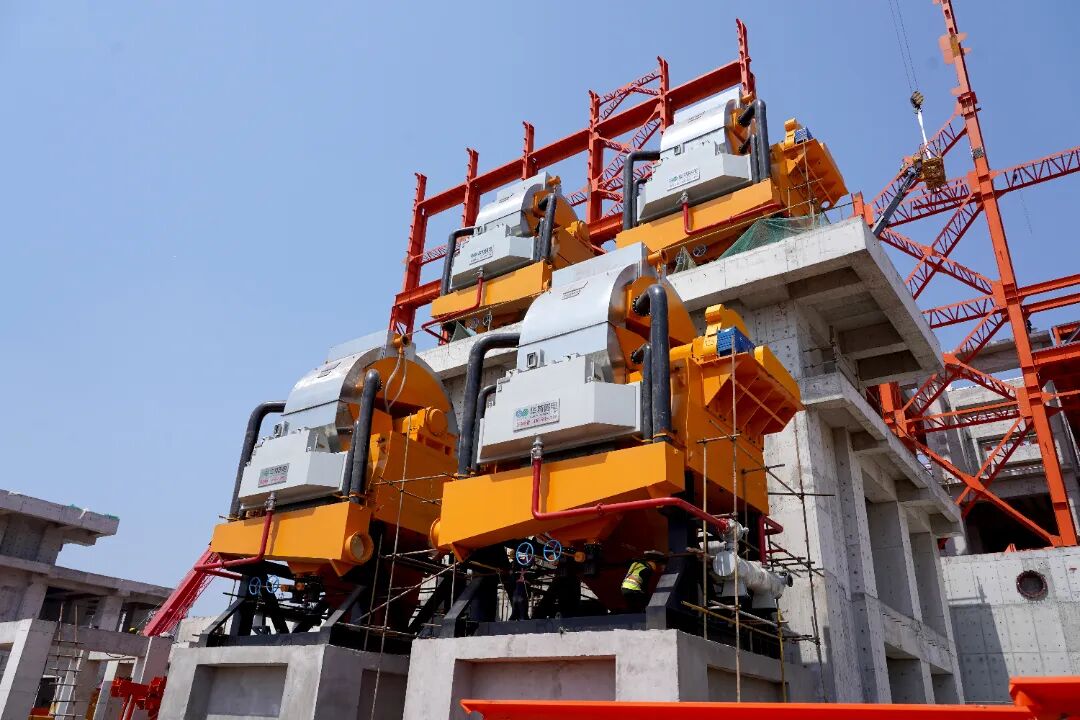
Step 3: Magnetic Separation
Magnetic separation helps remove magnetic impurities and separate certain associated minerals.
The suitable magnetic separation equipment depends on the magnetic properties of the minerals and the required product quality.
Step 4: Flotation
Flotation may be used when the ore contains complex associated minerals or when additional separation is required.
The flotation process must be designed according to the mineral composition and laboratory test results.
Step 5: Concentrate Upgrading
The recovered products may undergo further cleaning and separation to improve tin concentrate grade and reduce impurities.
Not every tin deposit requires all these stages. The final process should be determined by mineralogical analysis and beneficiation tests.
5.3 Tin Smelting and Refining
After beneficiation, tin concentrate is sent for further metallurgical treatment.
A common route is pyrometallurgical reduction smelting. Tin oxide is reduced at high temperatures to produce crude tin.
The crude metal then undergoes refining and impurity removal. Electrolytic refining may also be used where required.
The final product is refined tin for industrial applications.
Important: Mineral beneficiation and metal smelting are different stages. Beneficiation produces tin concentrate, while smelting and refining produce metallic tin.
6. Applications of Tin: From Bronze to the AI Era
Tin has supported human development for thousands of years. Its applications have expanded from ancient bronze production to modern electronics and clean energy.
Ancient Civilization: The Foundation of Bronze
The addition of tin to copper produces bronze, an alloy with improved hardness and casting properties.
Bronze played an important role in ancient tools, weapons, agricultural equipment and ceremonial objects.
It helped drive the transition from the Stone Age to the Bronze Age.
Traditional Industrial Applications
Tin is widely used in traditional manufacturing because of its corrosion resistance, soldering performance and alloying properties.
Common applications include:
● Tinplate for food packaging.
● Solder for joining metal components.
● Bronze and other metal alloys.
● Bearing alloys.
● Tin foil and chemical materials.
Modern Technology: Tin as a Strategic Material
Today, tin is an important material for advanced manufacturing and the digital economy.
Its applications include:
Semiconductors and Electronics
Tin-based solder materials are used in electronic assembly, chip packaging and electrical connections.
Artificial Intelligence and Data Centers
AI development increases demand for advanced computing hardware and electronic components. Tin is an important material in the manufacturing supply chain for these products.
Renewable Energy
Tin is used in applications related to photovoltaic modules, batteries and other energy technologies.
5G and Smart Devices
Electronic components, communication equipment and smart devices also use tin-based materials.
As technology industries continue to develop, tin remains an important industrial metal.
7. Why Is a Suitable Tin Ore Beneficiation Process Important?
Tin ore deposits vary greatly in mineral composition, particle size and mineral liberation.
A single processing method cannot meet the requirements of every deposit.
An effective beneficiation flowsheet should consider:
● Ore mineral composition.
● Cassiterite particle size.
● Degree of mineral liberation.
● Differences in density and magnetic properties.
● Associated valuable minerals.
● Required concentrate grade and recovery.
For complex polymetallic tin ores, a combination of gravity separation, magnetic separation and flotation may be needed.
The right equipment selection and process design can help improve mineral recovery, reduce valuable mineral losses and make better use of ore resources.
At Huate, mineral processing equipment and separation technologies support the development of customized mineral beneficiation solutions. The appropriate equipment and flowsheet should be selected according to ore properties and beneficiation test results.
Frequently Asked Questions About Tin Ore
1. What is the main mineral in tin ore?
Cassiterite (SnO₂) is the main industrial tin mineral. Its theoretical tin content is 78.8%.
2. What are the two main types of tin ore?
The two main types are primary tin ore and secondary alluvial tin ore. Primary tin ore forms through magmatic-hydrothermal processes, while alluvial tin ore forms through weathering, erosion and sedimentation.
3. How is tin ore processed?
Tin ore processing commonly includes crushing, grinding, screening, washing and beneficiation. Gravity separation is widely used because cassiterite has a high specific gravity. Magnetic separation and flotation may also be used for complex ores.
4. Why is gravity separation used for tin ore?
Cassiterite has a specific gravity of about 6.8–7.1. This is much higher than that of many gangue minerals. Gravity separation uses this density difference to recover cassiterite.
5. Can magnetic separation be used for tin ore?
Yes. Magnetic separation can help remove magnetic impurities and separate associated minerals. The selection of magnetic separation equipment depends on the magnetic properties of the target minerals and the ore composition.
6. What is the difference between tin concentrate and refined tin?
Tin concentrate is the enriched mineral product obtained after beneficiation. Refined tin is metallic tin produced through smelting and refining.
7. What factors affect the selection of tin ore processing equipment?
Important factors include ore grade, mineral composition, particle size, liberation degree, associated minerals and the required concentrate quality. Laboratory beneficiation tests are important for selecting a suitable process.
Conclusion
Tin ore is an important mineral resource that connects ancient civilization with modern technology.
From primary vein deposits to alluvial tin deposits, different ore types require different mining and beneficiation methods.
Gravity separation remains a key method for cassiterite recovery. Magnetic separation and flotation can provide additional separation options for complex ores.
A well-designed mineral processing flowsheet helps improve resource utilization and support efficient tin production.
For mining companies and mineral processors, understanding ore characteristics is the first step toward selecting the right beneficiation technology and equipment.
Post time: Nov-19-2026