
Sphalerite, also known as zinc blende, is the most important zinc sulfide mineral and one of the primary mineral resources used for zinc production. Chemical composition of sphalerite, and its associated minerals, complex dissemination characteristics make it an important subject in mineral processing and beneficiation.
From zinc production and steel corrosion protection to batteries, electronics and advanced manufacturing, sphalerite-derived zinc supports a wide range of industrial applications. At the same time, natural sphalerite is rarely found as a pure mineral. It commonly occurs together with galena, pyrite, chalcopyrite, quartz and other gangue minerals, making effective separation and beneficiation essential for efficient resource utilization.
This article introduces the mineral properties, formation, distribution, applications and major beneficiation methods of sphalerite, with a focus on flotation, gravity separation, magnetic separation and combined processing technologies.
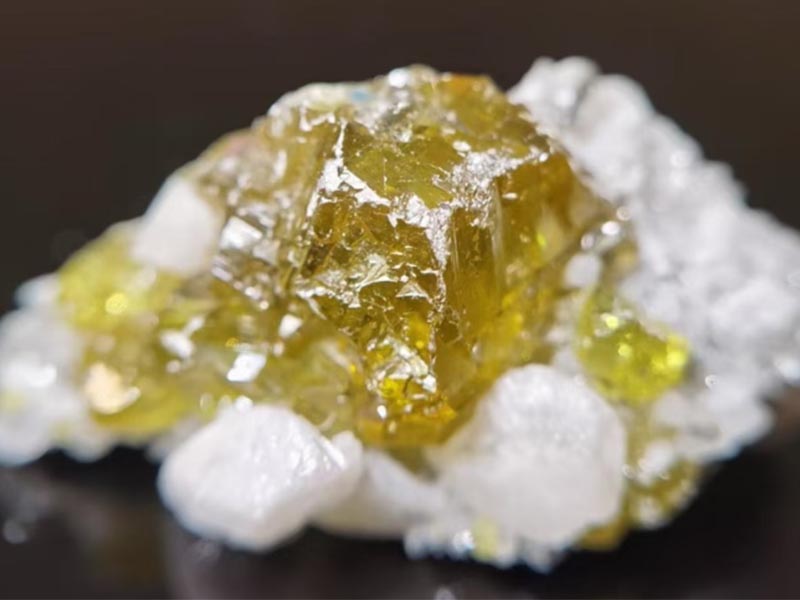
1. Mineral Properties of Sphalerite
The standard chemical for sphalerite is ZnS, its chemical name is zinc sulfide. It belongs to the cubic crystal system and commonly occurs as granular aggregates. Pure sphalerite can theoretically contain up to approximately 67.1% zinc, making it an important raw material for zinc extraction.
However, natural sphalerite rarely occurs in a completely pure form. Isomorphic substitution is common, with iron being one of the most important substituting elements.
Sphalerite Colour and Iron Content
Iron content has a significant influence on the appearance and physical properties of sphalerite.
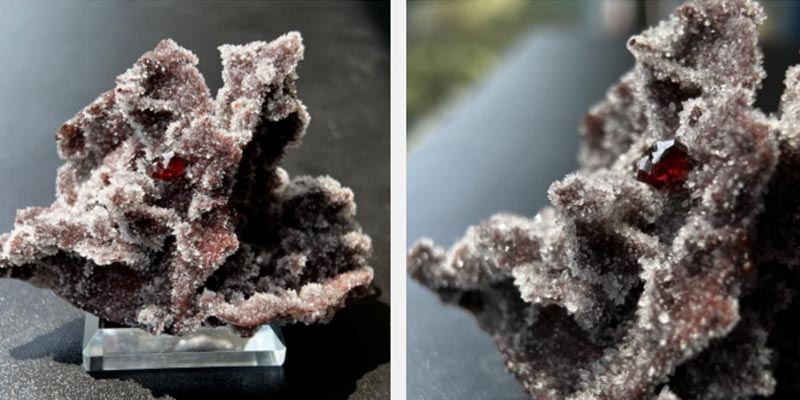
Pure sphalerite can occur as a colorless and transparent crystal. As iron content increases, its color can gradually change from pale yellow and yellow-brown to reddish-brown, dark brown and black sphalerite.
Iron-rich sphalerite is commonly referred to as marmatite. Higher iron content can increase the complexity of mineral processing and separation.
Low-iron sphalerite may show strong transparency and resinous to adamantine luster, while iron-rich sphalerite tends to become more opaque and exhibit a weaker luster.
Meanwhile, low-iron sphalerite exhibits a dispersion effect that even surpasses that of diamond, making it a prized material for ornamental gemstones, whereas high-iron sphalerite possesses greater industrial utility.
Physical Properties of Sphalerite
Sphalerite generally has a Mohs hardness of approximately 3.5–4.0 and it is relatively soft and easy to crush and process. Its specific gravity ranges from 3.5 to 4.2, with its physical properties affected by composition, particularly iron content. As iron content increases, the density gradually decreases while the hardness rises slightly.
The mineral has perfect dodecahedral cleavage and can break along specific crystal planes. This characteristic can facilitate crushing while also creating challenges for fine mineral liberation and subsequent separation.
Sphalerite is non-magnetic and non-conductive under ordinary conditions. It is insoluble in water and ethanol but can dissolve in dilute acids. Its chemical properties are relatively stable, providing the fundamental conditions for ore storage, processing, and separation.
Associated Rare Elements
In addition to zinc, natural sphalerite may contain associated elements such as cadmium, indium, gallium, germanium and manganese.
These associated elements can have important applications in electronics, semiconductors, renewable energy and other advanced industries. Therefore, the comprehensive recovery of valuable elements from complex zinc ores has become an increasingly important objective in modern mineral processing.
This has enabled sphalerite to transcend the value limitations of a mere zinc ore, positioning it as a vital carrier of rare strategic metals and significantly enhancing its overall value for development and utilization.
2. Formation and Distribution of Sphalerite
Sphalerite is closely associated with hydrothermal activity and sedimentary-metamorphic processes and is commonly formed in hydrothermal ore deposits.
During hydrothermal mineralization, zinc-bearing hydrothermal fluids interact with surrounding rocks. Zinc ions and sulfur species can react and precipitate under suitable geological conditions, gradually forming sphalerite.
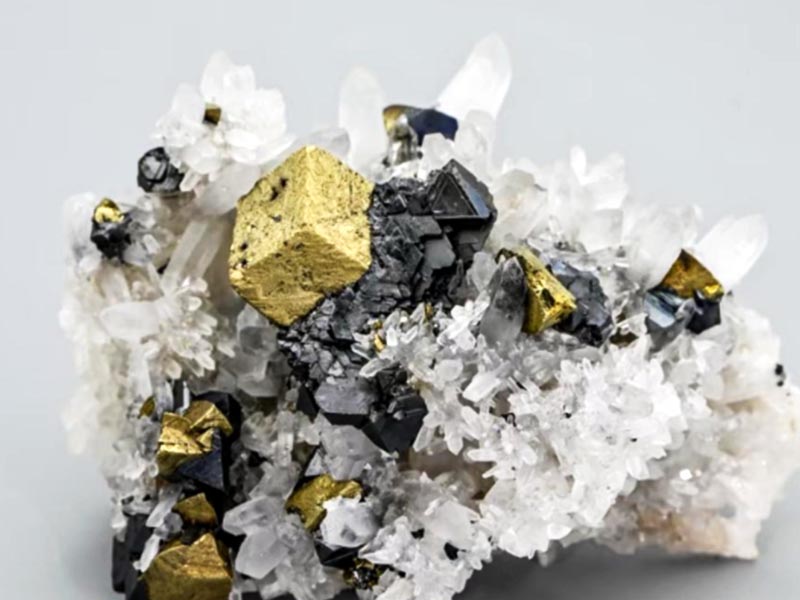
Sphalerite rarely occurs as an isolated mineral deposit. It is commonly associated with galena, and lead-zinc sulfide ores may also contain pyrite, chalcopyrite, quartz, calcite and other minerals.
The complex mineral associations and fine dissemination characteristics of these ores are among the major reasons why lead-zinc ore beneficiation can be technically challenging.
Sphalerite resources are distributed in many mining regions around the world, including China, Australia, Peru and the United States. In China, important zinc resources are distributed in several provinces and regions, with many deposits characterized by complex and relatively low-grade ores.
As high-grade and easily processed resources become increasingly limited, efficient beneficiation technologies are becoming more important for improving zinc recovery and resource utilization.
3. Applications and Industrial Value of Sphalerite
Sphalerite is the principal mineral source of zinc and therefore plays an important role in modern industry.
Zinc Production
The most important application of sphalerite is zinc production. Zinc obtained from zinc sulfide ores is widely used for:
· Galvanizing steel for corrosion protection
· Zinc alloy production
· Battery manufacturing
· Chemical products and pigments
· Automotive applications
· Construction and infrastructure
Galvanized steel, for example, is widely used in buildings, bridges, automobiles and other infrastructure because of zinc corrosion-resistant properties.
Recovery of Associated Elements
Complex sphalerite ores may contain valuable associated elements such as indium, gallium, germanium and cadmium.
The recovery of these elements together with zinc can increase the overall value of the ore and support the comprehensive utilization of mineral resources.
Indium is used in the manufacture of LCD screens and semiconductor chips; gallium and germanium serve as core raw materials for photovoltaics and infrared detection equipment; and cadmium is utilized in specialized batteries and alloys.
The comprehensive recovery and utilization of these rare elements endow even low-grade sphalerite with immense development value, representing a key objective of precision processing in the modern mining industry.
This makes integrated recovery and efficient beneficiation increasingly important for low-grade and complex zinc resources.
Sphalerite Gemstone Applications
High-quality sphalerite crystal with good transparency, uniform color and strong optical dispersion may also be used as gemstone material.
Although industrial applications account for the majority of sphalerite resource value, high-quality sphalerite crystal can also have scientific, ornamental and collectible value.
4. Sphalerite Beneficiation Methods
Natural sphalerite ores often contain multiple associated minerals, uneven dissemination sizes and relatively low grades. Direct processing is therefore usually difficult.
The main objective of sphalerite beneficiation is to separate sphalerite from associated minerals such as galena, pyrite and quartz, increase zinc concentrate grade and recovery, and maximize the recovery of valuable associated elements.
Common beneficiation methods include:
· Flotation
· Gravity separation
· Magnetic separation
· Combined beneficiation processes
Among these methods, flotation is one of the major processing methods for zinc sulfide ores, particularly for fine-grained and complex lead-zinc sulfide ores.
4.1 Sphalerite Flotation
Flotation is widely used for sulfide mineral beneficiation because it can exploit differences in surface properties between valuable minerals and gangue or associated sulfide minerals.
For complex lead-zinc ores, flotation can be used to selectively recover sphalerite and separate it from minerals such as galena and pyrite.
The actual flotation flowsheet depends on:
· Ore mineralogy
· Liberation size
· Mineral association
· Iron content
· Feed grade
· Desired concentrate quality
· Recovery requirements
For complex polymetallic sulfide ores, grinding, classification, reagent conditioning and staged flotation may be combined to achieve the required separation performance.
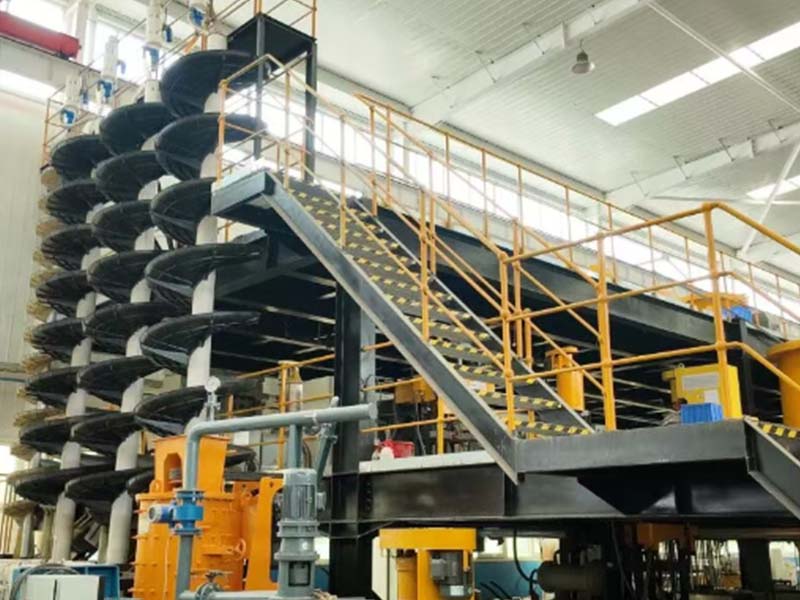
4.2 Gravity Separation
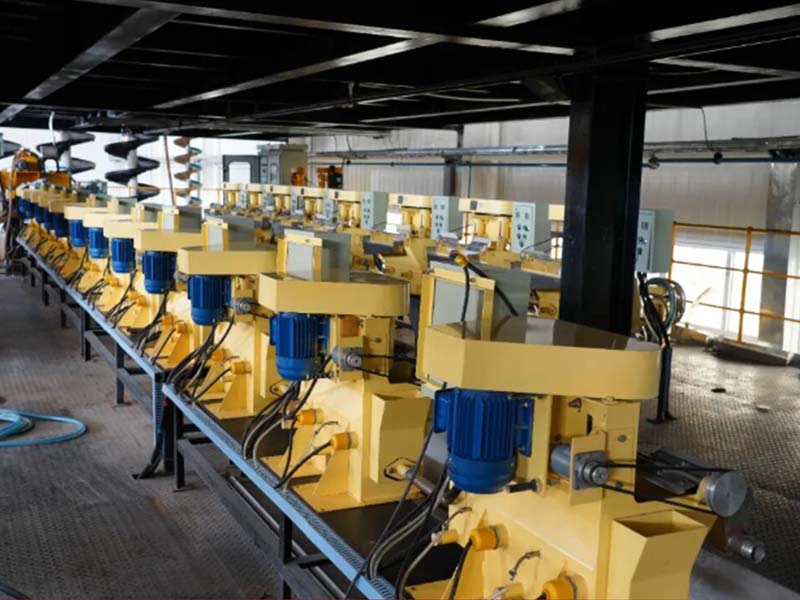
Gravity separation takes advantage of differences in mineral density.
For sphalerite ores containing relatively coarse particles or coarse liberated mineral grains, gravity separation can be used for pre-concentration or rough separation.
A gravity–flotation combined process can be considered when the ore contains both coarse and fine particles. Coarse particles can be pre-concentrated by gravity separation, while the finer fraction can subsequently enter flotation.
This approach can help reduce the amount of material entering downstream grinding and flotation while improving the overall utilization of valuable minerals.
4.3 Magnetic Separation
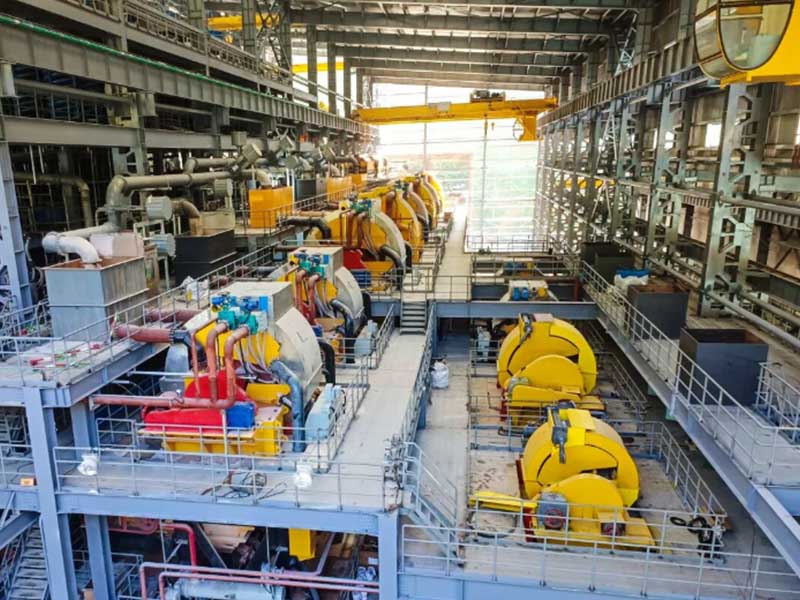
Sphalerite itself is generally non-magnetic. Therefore, magnetic separation is not normally used as the primary method for directly recovering pure sphalerite.
However, magnetic separation can play a role in the beneficiation of iron-rich or magnetically contaminated lead-zinc ores.
When magnetic minerals or iron-bearing impurities are present, magnetic separation can be used as a pre-treatment step to remove magnetic impurities before downstream flotation.
For suitable ores, a magnetic separation–flotation process can help reduce the influence of magnetic impurities and create more favorable conditions for subsequent flotation.
4.4 Combined Beneficiation Processes
As zinc resources become more complex, a single beneficiation method may not be sufficient to achieve the required concentrate grade and recovery.
Combined beneficiation processes can integrate the advantages of different separation technologies.
Gravity–Flotation Process
A typical gravity–flotation process can be used for ores containing a mixture of coarse and fine sphalerite particles.
The coarse fraction can first undergo gravity separation for pre-concentration and recovery. The gravity tailings can then be ground and processed by flotation to recover fine sphalerite.
This combination can take advantage of gravity separation—low cost and high throughput, with those of flotation—high precision and high recovery rates, thereby significantly reducing reagent consumption and production costs while minimizing the loss of resources in the tailings.
Magnetic Separation–Flotation Process
For ores containing significant amounts of magnetic or iron-bearing impurities, magnetic separation can be used as a pre-treatment step.
Magnetic separation is first employed to remove magnetic impurities—such as pyrrhotite and magnetite—thereby purifying the pulp and preventing these impurities from adsorbing flotation reagents or interfering with the separation process.
The pre-treated pulp then undergoes flotation to separate lead and zinc and enrich the sphalerite.
This significantly improves zinc concentrate grade and reduces iron impurity content, meeting the standards required for high-end smelting feedstocks.
5. Challenges in Complex Sphalerite Ore Processing
The beneficiation of complex sphalerite ores can be affected by several factors.
Complex Mineral Associations
Sphalerite may occur together with galena, pyrite, chalcopyrite and gangue minerals. Similar mineral textures and close intergrowth can make liberation and selective separation more difficult.
Fine Dissemination
Fine-grained sphalerite requires appropriate grinding and classification to achieve sufficient liberation. Excessive grinding, however, can also generate slimes and negatively affect downstream separation.
Iron-Rich Sphalerite
Higher iron content can change the physical and surface properties of sphalerite and increase the complexity of beneficiation.
Therefore, the mineralogical characteristics of each ore deposit should be investigated before designing the final beneficiation flowsheet.
Recovery of Associated Valuable Elements
For complex zinc resources, the objective is not always limited to zinc recovery.
Recovering associated elements and minimizing valuable mineral losses in tailings can improve the overall economic and resource efficiency of the processing plant.
6. Optimizing Sphalerite Beneficiation for Complex Ores
For complex lead-zinc sulfide ores, an effective beneficiation flowsheet should be designed according to the specific mineralogical characteristics of the ore rather than applying a single standard process.
A typical technical approach may include:
Ore Characterization → Crushing → Grinding & Classification → Pre-Concentration / Magnetic Separation → Flotation → Concentration & Dewatering
The actual process should be determined through mineralogical analysis and beneficiation testing.
Laboratory and pilot-scale beneficiation tests can help identify suitable separation methods, equipment configurations and operating parameters before industrial implementation.
For complex non-ferrous metal ores, Huate’s mineral processing test capabilities include flotation, gravity separation, magnetic separation, grinding, classification, concentration and other beneficiation processes. This integrated testing approach can provide technical data for the development of customized mineral processing flowsheets.
7. Conclusion
Sphalerite is the principal zinc sulfide mineral and an important source of zinc for modern industry. Its applications extend from galvanized steel and zinc alloys to batteries, electronics and advanced materials.
However, natural sphalerite is commonly associated with galena, pyrite, chalcopyrite and gangue minerals. Low grades, fine dissemination and complex mineral associations can make beneficiation challenging.
Flotation remains an important method for sphalerite recovery, while gravity separation and magnetic separation can be incorporated into suitable flowsheets for pre-concentration or impurity removal.
As easily processed zinc resources become increasingly limited, combined beneficiation technologies and comprehensive recovery of valuable associated elements will play an increasingly important role in improving zinc resource utilization.
Understanding the mineral properties of sphalerite and selecting the appropriate beneficiation process are essential steps toward efficient, sustainable and high-value utilization of complex zinc resources.
FAQ
What is sphalerite?
Sphalerite is a zinc sulfide mineral with the chemical formula ZnS and is the principal mineral source of zinc.
What is sphalerite used for?
Sphalerite is primarily processed to produce zinc, which is widely used in galvanizing, zinc alloys, batteries, chemical products and other industrial applications.
How is sphalerite ore processed?
Sphalerite ore can be processed using flotation, gravity separation, magnetic separation or combined beneficiation processes, depending on ore composition, liberation size and associated minerals.
What is the main beneficiation method for sphalerite?
Flotation is an important method for processing sulfide zinc ores, particularly complex and fine-grained lead-zinc ores.
Can sphalerite be separated by magnetic separation?
Sphalerite itself is generally non-magnetic. Magnetic separation may instead be used to remove suitable magnetic or iron-bearing impurities from certain complex ores before downstream processing.
Post time: Sep-30-2026