
Pyrite, also known as iron pyrite or fool’s gold, is a widely distributed iron sulfide mineral recognized for its brass-yellow color and metallic luster. A typical pyrite crystal may display distinctive cubic shapes, making it a popular mineral specimen among collectors. However, beyond its appearance as a pyrite stone, pyrite also has industrial significance in mineral processing and sulfur-related applications.
Natural pyrite ore may contain quartz, clay, coal and other associated minerals, making beneficiation necessary before it can meet specific industrial requirements. Pyrite mineral processing involves selecting suitable separation methods according to ore composition, particle size, mineral liberation and the properties of associated minerals.
Flotation is commonly used for fine-grained or complex ores, while gravity separation and magnetic separation may serve as complementary processes under appropriate conditions. Understanding the characteristics of the ore is the first step toward developing an efficient and technically appropriate beneficiation flowsheet.
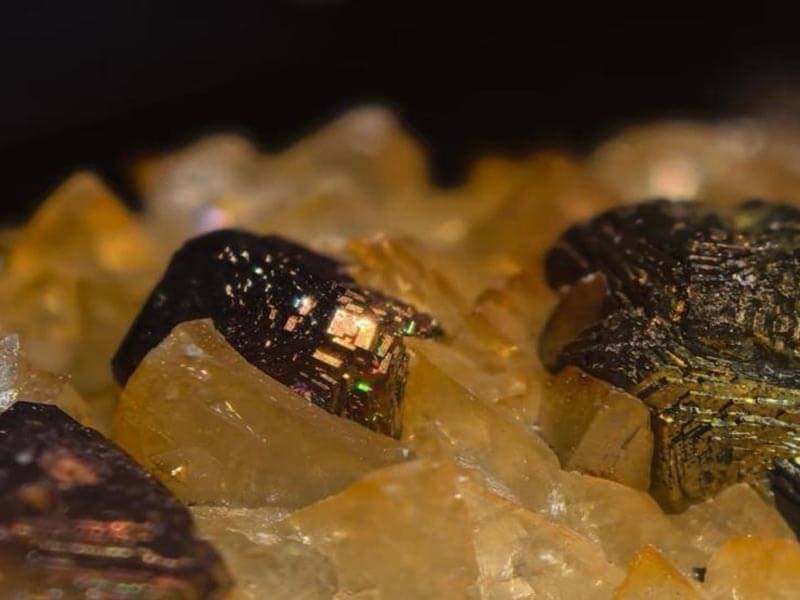
1. What is Pyrite?
Pyrite is an iron sulfide mineral with the chemical formula FeS₂. Often called fool’s gold iron pyrite, it typically exhibits a pale brass-yellow color, metallic luster and characteristic crystal forms, including cubes. These features make pyrite crystals easy to recognize and explain why the mineral is frequently mistaken for gold.
A natural raw pyrite specimen may occur as individual crystals, crystal clusters or massive mineral aggregates. The appearance of a pyrite stone varies depending on its crystal structure, surface condition and geological environment. Its characteristic pyrite color is generally brass-yellow, although the appearance of individual specimens can vary.
Pyrite vs Gold: How to Tell the Difference
The comparison of pyrite vs gold is a common topic among mineral collectors and geology enthusiasts. Although both minerals can appear golden, they have different physical properties.
● Color and luster: Pyrite usually has a brass-yellow color and metallic luster,while gold typically has a richer yellow color.
● Hardness: Pyrite is significantly harder than gold and is more brittle.
● Malleability: Gold is malleable and can be deformed, whereas pyrite tends to fracture or break under impact.
● Composition: Pyrite is iron disulfide (FeS₂), while native gold is a metallic element (Au).
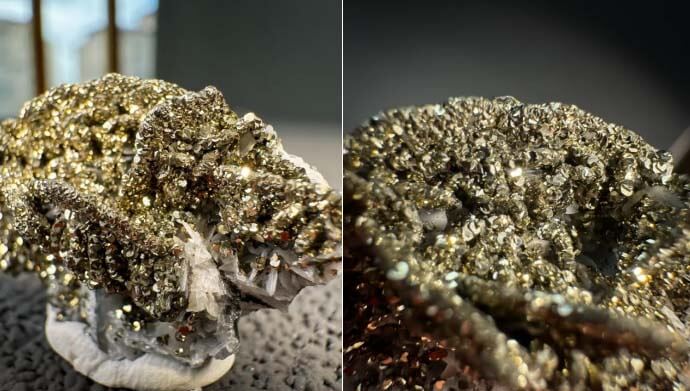
Understanding iron pyrite vs gold is useful for mineral identification, but visual appearance alone is not sufficient for reliable identification. Mineral testing may be required when accuracy is important.
Pyrite occurs in a variety of geological environments and may be associated with coal deposits, lead-zinc ores and other mineral resources. Depending on the deposit, the ore may contain different proportions of gangue minerals and potentially valuable associated elements.
These differences can influence crushing, grinding, mineral liberation and the selection of downstream separation processes.
2. Industrial Uses of Pyrite
The uses of pyrite extend beyond its distinctive appearance as a mineral specimen. Pyrite has historically been an important raw material for sulfur-related industrial processes, while its potential value in a particular deposit depends on ore composition and the available processing route.
● Chemical industry: Pyrite roasting has traditionally been used in sulfur dioxide and sulfuric acid production.
● Metallurgical applications: Iron-rich roasting residues may be considered for further utilization, subject to their composition and applicable quality requirements.
● Associated mineral recovery: Some deposits contain copper, zinc or precious-metal-bearing minerals that may require additional recovery processes.
● Resource utilization: Appropriate beneficiation and residue management can support more comprehensive use of mineral resources.
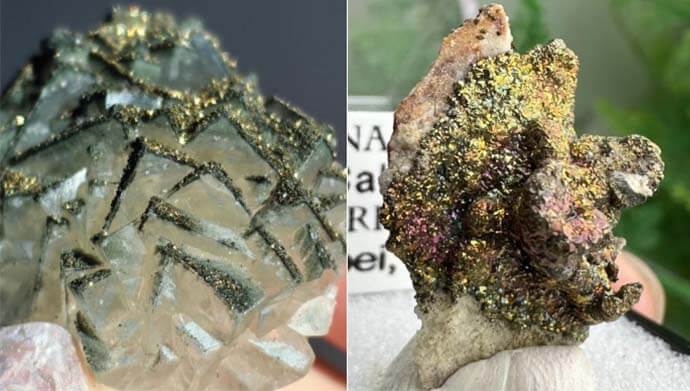
In addition to industrial minerals applications, pyrite crystals and polished pyrite stones are collected for their geometric crystal forms and metallic appearance. Search terms such as pyrite stone benefits are also associated with crystal collecting and wellness content. However, claims that pyrite provides specific health or therapeutic benefits should not be treated as established scientific facts.
For industrial applications, the suitability of a particular ore should be established through representative sampling and laboratory analysis.
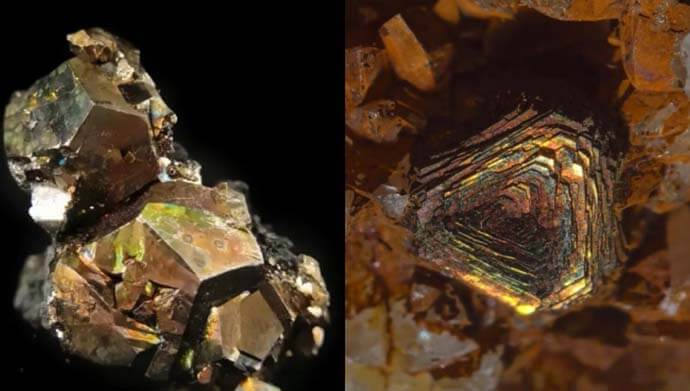
3. Main Pyrite Mineral Processing Methods
The choice of pyrite processing methods depends on mineral composition, particle size distribution, liberation characteristics and the separation requirements of the final product. The following methods may be used individually or in combination, depending on the ore.
3.1 Pyrite Flotation Process
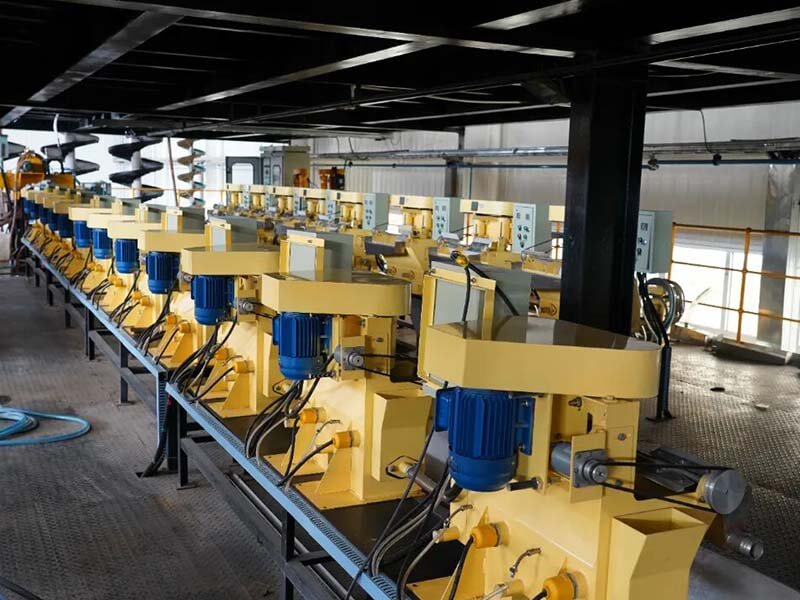
Flotation is an important method for beneficiating fine-grained and complex sulfide ores. It separates minerals according to differences in their surface properties under controlled process conditions.
In a typical pyrite flotation process, the ore is crushed and ground to a suitable size before being mixed with water to form a slurry. Reagents are added as required, and air is introduced into the flotation cells. Target mineral particles attach to bubbles and report to the froth phase, while other particles are separated according to their flotation response.
The actual performance of pyrite flotation depends on mineralogy, liberation size, reagent selection, water chemistry and operating conditions. Laboratory flotation tests are recommended before finalizing a commercial process flowsheet.
3.2 Pyrite Gravity Separation
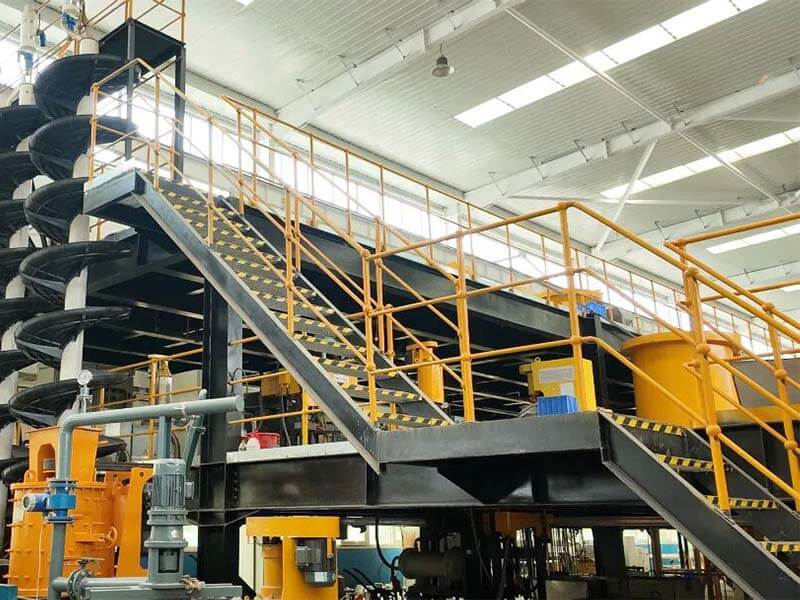
Gravity separation uses differences in mineral density to separate suitable particles. Depending on the ore and particle characteristics, equipment such as jigs, shaking tables or spiral concentrators may be considered.
This approach may be useful when pyrite is sufficiently liberated and the particle-size range is suitable for gravity concentration. It can also be considered as a preconcentration step before further processing.
Gravity separation is generally less suitable for very fine particles or ores with insufficient density contrast and liberation. Test work should determine whether it can improve the overall process.
3.3 Pyrite Magnetic Separation
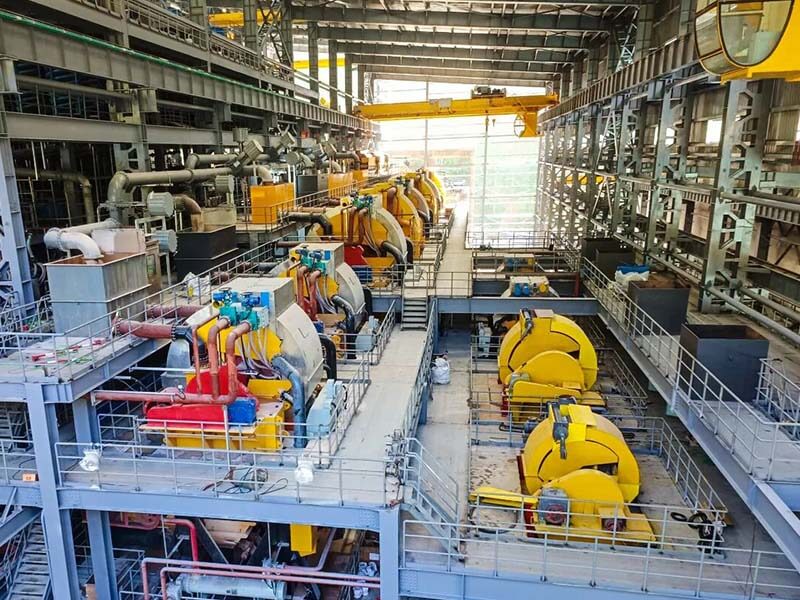
Magnetic separation relies on differences in the magnetic properties of minerals. Its role in pyrite processing depends on the specific mineral assemblage and the magnetic response of the target minerals and impurities.
Some ores contain pyrrhotite, a mineral that can exhibit magnetic behavior, while pyrite and many common gangue minerals respond differently under comparable conditions. Magnetic separation may therefore be evaluated for selected separation or impurity-removal duties.
Magnetic separation is not a universal substitute for pyrite flotation. The appropriate magnetic field intensity, equipment configuration and process position should be determined from mineralogical analysis and separation tests.
3.4 Combined Beneficiation Flowsheets
Complex ores may require more than one separation stage. Depending on the liberation characteristics and mineral associations, a process may combine gravity separation, flotation and, where technically justified, magnetic separation.
A preliminary concentration stage may remove suitable coarse gangue particles before finer separation. Subsequent stages can then target the recovery or upgrading of specific minerals.
The final flowsheet should be designed around the actual ore rather than a standard equipment combination. Representative ore samples, laboratory testing and process evaluation help establish the most suitable sequence.
4. Key Factors in Selecting Pyrite Processing Equipment
Equipment selection should be based on technical evidence rather than mineral name alone. Important considerations include:
◆ Ore mineralogy: Pyrite content, associated sulfide minerals and gangue composition.
◆ Particle size and liberation: The grinding size required to separate pyrite from associated minerals.
◆ Feed capacity: Required throughput and the expected operating conditions.
◆ Separation objectives: Target concentrate quality, recovery priorities and impurity limits.
◆ Process integration: Compatibility with crushing, grinding, flotation, dewatering and tailings treatment.
◆Environmental management: Water circulation, tailings handling and control of oxidation-related risks.
Huate can be contacted to discuss magnetic separation equipment and relevant mineral processing requirements. The suitability of a specific machine or integrated flowsheet should be confirmed against the ore test results and technical specifications.
5. Environmental Considerations in Pyrite Processing
Exposure of sulfide-bearing materials to oxygen and water can lead to oxidation and, under certain conditions, acid mine drainage. The resulting water may contain elevated sulfate concentrations and dissolved metals.
Responsible mine planning should therefore consider water management, tailings storage, monitoring and appropriate treatment measures. Roasting operations also require suitable gas collection and treatment systems to control sulfur dioxide emissions.
Environmental measures should be selected according to the ore characteristics, process design and applicable local regulations.
6. Frequently Asked Questions
Q:What is the most common method for pyrite beneficiation?
A:Flotation is an important method for fine-grained and complex pyrite ores. The best method for a particular deposit depends on mineralogy, liberation, particle size and the required product specifications.
Q:Can pyrite be processed by magnetic separation?
A:Magnetic separation may be useful for selected duties involving minerals with different magnetic properties. Its effectiveness depends on the specific ore and should be confirmed through mineralogical analysis and testing.
Q:What is the difference between pyrite and gold?
A:The main differences in pyrite vs gold are their chemical composition, hardness, brittleness and malleability. Pyrite is iron disulfide (FeS₂), while gold is a metallic element (Au). Pyrite is harder and more brittle, whereas gold is softer and more malleable.
Q:What are the main uses of pyrite?
A:The industrial uses of pyrite have traditionally included sulfur-related chemical production. Depending on the deposit, associated minerals and processing conditions, additional resource recovery may also be possible.
Q:What are pyrite stone benefits?
A:Pyrite stones are often collected for their metallic appearance and distinctive crystal forms. Although some wellness traditions attribute symbolic or energetic benefits to pyrite, such claims are not established scientific evidence of medical or therapeutic effects.
Q:Can gravity separation be used for pyrite ore?
A:Yes, it may be considered when the minerals are sufficiently liberated and their density differences allow effective separation. Its performance can decline for very fine or complex ores.
Q:How is the right pyrite processing flowsheet determined?
A: A representative sample should be analyzed to determine mineral composition, liberation characteristics and separation behavior. Laboratory testing can then guide the selection and sequence of processing methods.
Q:What information is needed for a pyrite processing inquiry?
A:Useful information includes the ore assay, mineralogical report, feed particle size, target throughput, desired concentrate specifications and available test results. These details help establish whether further testing or a preliminary process evaluation is needed.
Discuss Your Mineral Processing Requirements
Every ore deposit has its own mineralogical and processing characteristics. If you are evaluating pyrite beneficiation or magnetic separation for associated minerals, contact Huate with your ore information and processing objectives to discuss suitable technical options.
Send us your ore details to start a technical discussion.
Post time: Oct-21-2026